
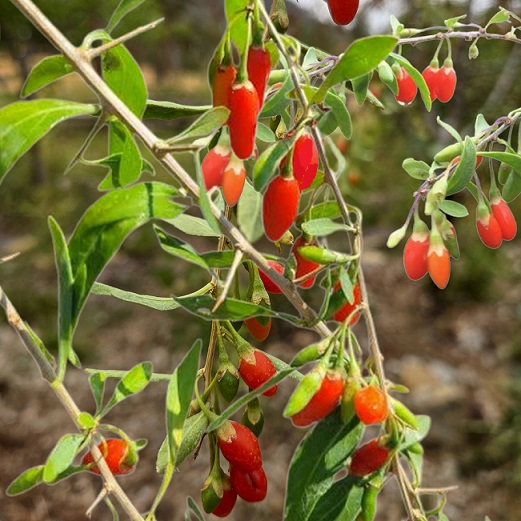
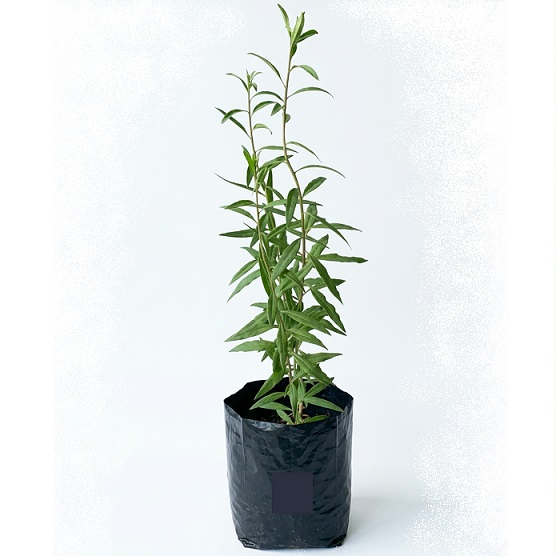
Goji berry (Lycium barbarum)
K150.00
Goji berries are vibrant red superfruits, valued for their exceptional nutritional properties. Rich in antioxidants, carotenoids such as zeaxanthin, and vitamins, they help protect cells from oxidative stress and support eye health and normal immune function. Enjoy these nutrient-rich berries fresh, dried, or in smoothies, cereals and teas. Grow your own productive goji berry plant and enjoy these remarkable fruits straight from your garden! For Home Gardens & Small Plots plant 1 m apart within the row and 1.5m apart between rows. For Commercial & Large-Scale Machine Cultivation plant 1.3 m betwen plants and 2 to 2.5 m between rows to allow equipment passage.
35 in stock
Description
Goji berry (Lycium barbarum)
Goji Berry – Grow Your Own Nutritious, Bright Red Berries
Goji berry (Lycium barbarum) is a deciduous, woody shrub native to Asia, valued for its bright red-orange berries, which are traditionally used in foods, teas and dried fruit mixes. The berries have a naturally sweet-tart flavour and are rich in antioxidants, vitamins and other beneficial plant compounds. Goji berry is an attractive addition to a home garden, providing both ornamental interest and a useful harvest.
Growing Instructions
Climate: Goji berry grows best in a sunny position and is generally hardy once established. It tolerates heat and dry conditions reasonably well, although young plants need regular watering while establishing. In hot climates such as Zambia, provide some protection from extreme afternoon heat if plants show signs of stress.
Sunlight: Choose a position with full sun, ideally receiving at least 6–8 hours of direct sunlight daily. Good sunlight encourages healthy growth and fruit production.
Soil: Plant in well-drained soil. Goji berry tolerates a range of soil types but performs best in moderately fertile soil. Avoid waterlogged areas, as constantly wet roots can lead to root problems.
Planting: Plant in a sunny garden bed or a large container with drainage holes. Allow approximately 1.5–2 metres between plants to accommodate their spreading growth. A trellis or support can help keep the branches tidy and make harvesting easier.
Watering: Water regularly during the establishment period, allowing the soil to drain between waterings. Once established, the plant is reasonably drought-tolerant but benefits from consistent moisture during flowering and fruit development. Avoid overwatering.
Fertilising: Incorporate mature compost into the soil before planting. Apply a light dressing of compost periodically during active growth. Avoid excessive nitrogen fertiliser, as this may encourage leafy growth at the expense of flowering and fruiting.
Pruning and General Care
Goji berry develops long, arching branches and may need pruning to maintain a manageable shape. Remove dead, damaged or crossing branches and thin out overcrowded growth. Training selected branches along a support can improve airflow and make harvesting easier.
Keep the area around young plants free of weeds and monitor for common garden pests. Good drainage and adequate airflow help maintain healthy plants.
Flowering and Harvesting
Goji berry produces small, usually purple, trumpet-shaped flowers, followed by elongated, bright red-orange berries. Flowering and fruiting times depend on the climate, growing conditions and age of the plant.
Harvest berries when they are fully coloured and ripe. Pick them gently to avoid damaging the delicate fruit and branches. Wear gloves if the foliage or branches are irritating to your skin.
Fresh goji berries can be eaten when fully ripe, although their flavour may be somewhat mild or tart. They can also be dried for longer storage, added to cereals and smoothies, or used in teas and cooking. Dry the berries in a clean, well-ventilated place or in a suitable food dehydrator until they are sufficiently dry for storage.
When Will My Plant Produce Fruit?
Young plants need time to establish before producing a substantial crop. Fruiting may begin within the first one or two years under favourable conditions, although some plants take longer. Regular sunlight, appropriate watering and careful pruning can help encourage productive growth.
A useful and attractive fruit shrub for your garden, goji berry offers the pleasure of growing your own colourful berries and experimenting with fresh or dried fruit at home.
Please note: Goji berry performance can vary in tropical and subtropical climates. Although the plant tolerates heat, reliable flowering and fruit production depend on local conditions and the variety grown.


