Plum ‘Pioneer’
K320.00
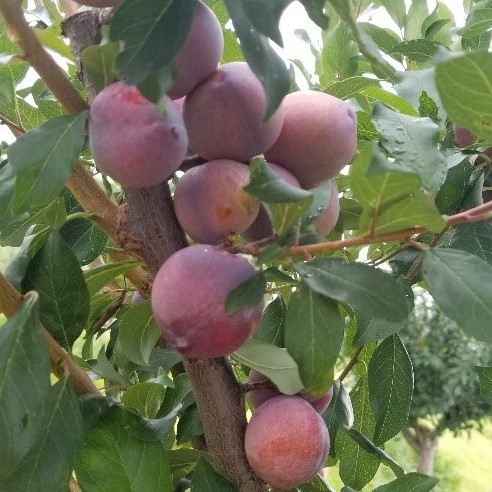
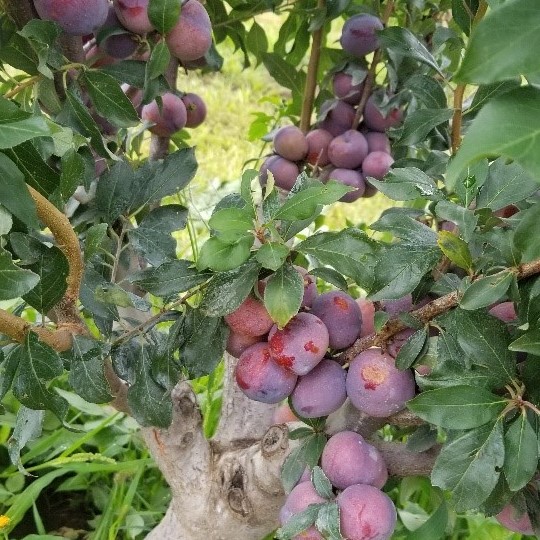
Pioneer is a vigorous plum tree producing attractive, bright red fruit with deliciously sweet, light yellow flesh. It has been tried and tested at the Jakt Research Orchard in Kabwe for the past 10 years, where it has performed excellently under Zambian conditions, producing consistently high yields. All pictures shown are of our own trees and fruit from the research orchard. Plant in full sun and well-drained soil, and water regularly for healthy growth and good fruit production. Recommended tree spacing for Pioneer Plum in Zambia is 3m apart in rows and 5m between rows (660 plants per hectare).
9 in stock
Description
Plum ‘Pioneer’
The Pioneer Plum is a vigorous, spreading fruit tree producing attractive, round, bright red plums with light yellow flesh. The fruit has a pleasant sweet flavour and soft, melting texture, making it an excellent choice for fresh eating.
Pioneer is a relatively low-chill plum variety compared with many traditional plum cultivars, making it worth considering for warmer growing regions. It is self-compatible, meaning it can produce fruit without another pollinator variety, although suitable cross-pollination can improve fruit production.
Growing and Care Instructions
-
Climate: Best suited to areas with a cool winter period. It has a relatively low-to-medium chilling requirement, although successful cropping depends on sufficient winter chilling.
-
Sunlight: Plant in full sun, preferably receiving at least 6–8 hours of direct sunlight daily.
-
Soil: Prefers deep, fertile, well-drained soil. Avoid waterlogged conditions.
-
Watering: Water regularly, particularly during flowering, fruit development and hot, dry weather. Avoid allowing young trees to dry out.
-
Fertilising: Apply a balanced fruit-tree fertiliser during active growth. Supplement with well-rotted manure or compost.
-
Pruning: Prune during the dormant season to establish a strong, open framework. Remove dead, damaged and crossing branches to encourage good airflow and sunlight penetration.
-
Fruit thinning: Thin excessive fruit when necessary to encourage better fruit size and reduce strain on branches.
-
Harvesting: Fruit develops a bright red skin and light yellow flesh when mature. Harvest carefully to avoid bruising.


