Rhodocactus grandifolius/syn. Pereskia grandifolia (Rose cactus)
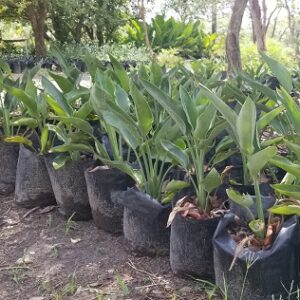
Rhodocactus grandifolius/syn. Pereskia grandifolia (Rose cactus) is a unique shrubby cactus valued for its edible leaves and fruits, medicinal properties, and ornamental use. The large, green, nutrient-rich leaves are high in protein, vitamins, and minerals and can be eaten raw or cooked, while the small, tart fruits are rich in vitamin C and used fresh or in preserves. Traditionally, the plant is used for inflammation and wound healing. It is very popular in gardens for its fragrant, rose-like flowers, as a fast-growing hedge, and it thrives in containers. It is very hardy, drought-tolerant, and adaptable to both sun and partial shade.
ZK150.00
Rhodocactus grandifolius/syn. Pereskia grandifolia (Rose cactus), also known as wax rose cactus, or leaf cactus, is a unique, shrubby cactus widely utilized for its edible parts, ornamental flowers, and functional landscaping characteristics.
Culinary Uses
Edible Leaves: The leaves are highly nutritious, often described as a "non-conventional food source" and nicknamed "meat of the poor" due to their high protein content (reportedly higher than cabbage or lettuce). They are rich in iron, fiber, calcium, and vitamins A and C. They can be eaten raw in salads, sautéed, or added to stews.
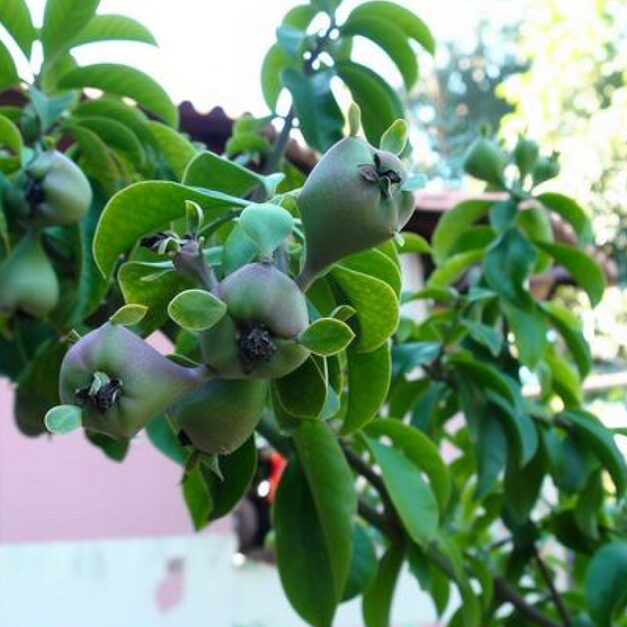
Edible Fruits: The plant produces small, rounded, pear-shaped berries that turn from yellow to orange/red when ripe. They have a tart, sour flavor similar to gooseberry or citrus, and are used for making jams, jellies, compotes, or eaten raw.
Nutritional Value: The fruit is loaded with vitamin C.
Medicinal Uses
Anti-inflammatory and Wound Healing: The leaves are used in traditional medicine as emollients and for treating inflammation, skin wounds, and pain due to their high mucilaginous (gel-like) content.
Traditional Health Uses: In different regions, it is used for treating rheumatism, ulcers, and sometimes as a natural remedy for cancer treatment.
Health Benefits: It is known to help in detoxification.
Landscape and Functional Uses
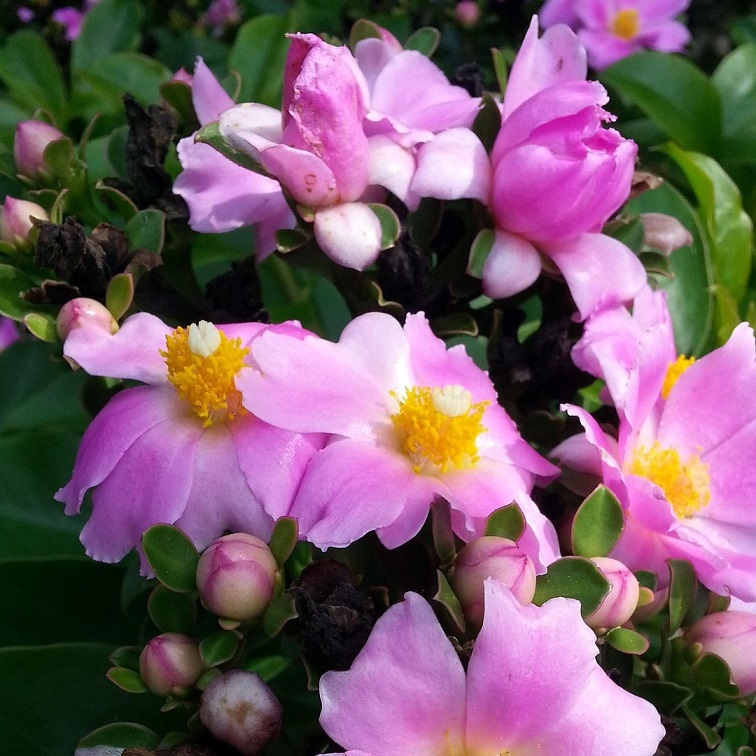
Ornamental: It is popular in gardens for its fragrant, rose-like flowers that can be white, pink, or reddish.
Hedge: Due to its rapid growth, it is commonly used as a living fence or hedge.
Container Gardening: It is well-suited for container gardening and can be grown indoors in sunny locations.
Key Characteristics
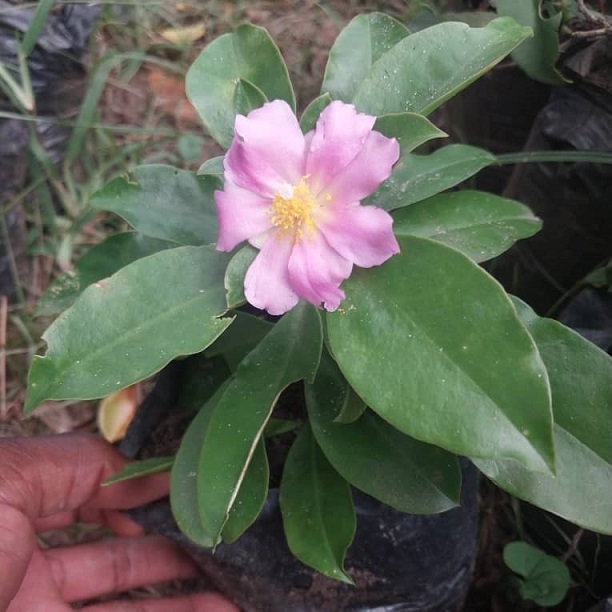
Distinguishing Feature: Unlike most cacti, this plant is not succulent and possesses large, fleshy, green leaves.
Resilience: It is nearly indestructible, drought-tolerant, and thrives in both full sun and partial shade.