Cissus rotundifolia (Venezuelan Treebine)
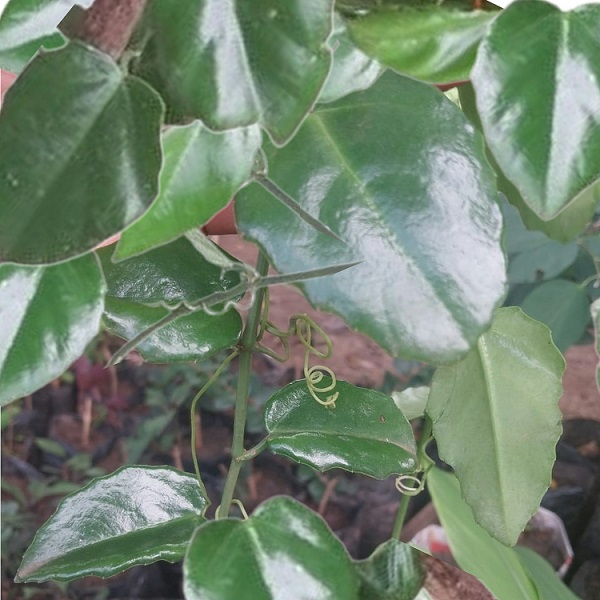
Cissus rotundifolia (Venezuelan Treebine) is a vigorous, low-maintenance, evergreen climbing shrub featuring thick, glossy, succulent-like round leaves, often grown as an easy-care houseplant. It produces small greenish-yellow flowers and red,, edible berries, reaching up to tall, making it perfect for trailing or trellising, edible leaves are traditionally consumed as a cooked vegetable, and are known for being a nutritious, drought-tolerant, wild food source, especially used during times of scarcity.
ZK150.00
Cissus rotundifolia (Venezuelan Treebine), also known as Grape Ivy, is a vigorous evergreen climbing vine valued for its lush, glossy foliage and easy-care nature. It produces attractive green leaves and delicate tendrils that allow it to climb trellises, walls, or cascade beautifully from hanging baskets.
This tropical plant is a fast grower and makes an excellent indoor plant, patio climber, or shaded garden vine. Its dense foliage adds a vibrant, tropical feel to any space while remaining surprisingly tolerant of occasional neglect, making it ideal for both beginner and experienced gardeners.
Growing Information
Light
Prefers bright, indirect light or partial shade. It can tolerate lower light conditions but grows best where it receives filtered sunlight.
Watering
Keep soil slightly moist but well-drained.
Water regularly during the growing season.
Reduce watering during cooler months.
Avoid waterlogged soil.
Soil
Use a rich, well-draining potting mix with good aeration. A loam-based soil mix works well.
Temperature
Thrives in warm tropical climates.
Ideal range: 15–30°C.
Protect from frost and cold drafts.
Feeding
Apply a balanced liquid fertilizer once a month during active growth to encourage lush foliage.
Growth Habit
Fast-growing climbing or trailing vine
Can reach 2–4 meters with support
Suitable for trellises, hanging baskets, patios, and indoor containers.
Pruning
Trim back long shoots to maintain shape and encourage fuller growth.
Propagation
Easily propagated from stem cuttings, which root quickly in moist soil or water.
Health & Environmental Benefits
Natural Air Purifier
Like many leafy indoor plants, Venezuelan Treebine helps improve indoor air quality by absorbing pollutants and releasing oxygen.
Stress-Reducing Greenery
Lush green plants indoors have been shown to reduce stress and improve mood, creating a calm and refreshing living space.
Indoor Humidity Support
Plants naturally release moisture through transpiration, which can help increase indoor humidity, benefiting both people and nearby plants.
Low-Maintenance Green Decor
Its tolerance for irregular watering makes it a perfect plant for busy households or beginner gardeners.
Cissus rotundifolia (also known as Arabian wax cissus, Peruvian grape ivy, or occasionally misidentified in common names as Venezuelan treebine) is a perennial, edible succulent climber native to Africa and the Arabian Peninsula. It is traditionally utilized for its medicinal properties, including anti-diabetic, anti-inflammatory, and antimicrobial effects.
- Anti-Diabetic and Hypoglycemic: The plant is traditionally used in Yemen to manage diabetes, with studies showing its ability to reduce blood sugar levels and inhibit intestinal -glucosidase.
- Gastrointestinal Health: It is used to treat gastrointestinal troubles, stomachaches, and has anti-ulcerative activities.
- Anti-inflammatory and Analgesic: Cissus rotundifolia extract acts as a pain reliever and has been used to treat arthritis, joint swelling, and earaches.
- Nutritional Value: The leaves are consumed as food, especially during scarcity, and are rich in carbohydrates (around 72%), fiber (14%), proteins, and minerals such as calcium, magnesium, and iron.
- Antioxidant: The leaves contain significant antioxidants (flavonoids, such as isoorientin and quercetrin) that help neutralize free radicals.
- Skin Diseases and Burns: It is traditionally used to treat skin infections and burns.
- Cancer and osteoporosis: Pharmacological research has shown that it has the potent property of curing diabetes, cancer and osteoporosis properties.
- Other Potential Uses: It has been reported as an anti-parasitic, anti-fertility agent, and a treatment for liver diseases.
Cissus rotundifolia is often confused in search results with Cissus quadrangularis (Veldt Grape/Adamant Creeper). While both belong to the same genus and share anti-inflammatory/nutritional properties, C. quadrangularis is more famously known specifically for bone fracture healing, whereas C. rotundifolia is more commonly used in Africa and Yemen for gastrointestinal and diabetic care.
The leaves are highly nutritious, containing:
- Minerals: High levels of Potassium (1980 mg/100g DW), Magnesium (563 mg/100g DW), and Calcium.
- Vitamins: Rich in Vitamin E and Vitamin C.
- Amino Acids: Contains essential amino acids (except tryptophan).