Asparagus ‘Mary Washington’ Seed
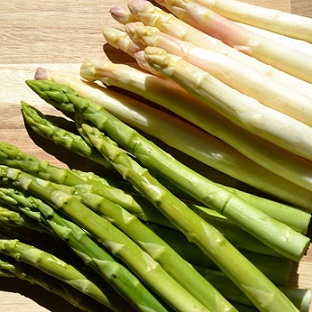
Perennial vegetable produces a heavy yield of uniform spears, crisp yet succulent they are packed full of essential minerals and vitamins, can be eaten raw, grilled, steamed or boiled, but do not overcook them, Resistant to rust. Great cut flower filler. Seeds will germinate in 14 to 28 days. Full sun, average water, rich, loose soil, spears are harvested from mature plants two years after planting.
100 seeds
12 in stock
ZK30.00
12 in stock
Asparagus 'Mary Washington'
Asparagus 'Mary Washington' is a classic heirloom variety prized for its tender, flavorful spears and exceptional productivity. This vigorous perennial produces thick green spears with excellent taste and can continue producing for 15–20 years once established. Known for its reliability, disease resistance, and adaptability to a wide range of climates, 'Mary Washington' is a favourite among home gardeners and market growers alike. Freshly harvested asparagus is delicious steamed, roasted, grilled, or added to soups and salads.
Growing Instructions
Botanical Name: Asparagus officinalis
Plant Type: Perennial Vegetable
Days to Germination: 14–28 days
Seed Depth: 1–2 cm
Plant Spacing: 30–45 cm apart
Row Spacing: 1–1.5 m apart
Sun Requirements: Full sun
Soil Requirements: Deep, fertile, well-drained soil enriched with compost
Sow seeds in seed trays or directly into a prepared nursery bed. Keep the soil consistently moist during germination. Transplant seedlings when they are 10–15 cm tall, spacing them 30–45 cm apart in permanent beds. Asparagus thrives in rich soil and benefits from regular applications of compost or well-rotted manure.
Keep the planting area free from weeds and water regularly during dry periods. Do not harvest spears during the first two years, allowing plants to establish strong root systems. Light harvesting can begin in the third year, with full harvests thereafter. Once established, plants will provide abundant harvests every spring for many years.